The Ultimate Guide to Choosing the Right Commercial Dehumidifier for Your Space
Understanding Commercial Dehumidifiers
What is a Commercial Dehumidifier?
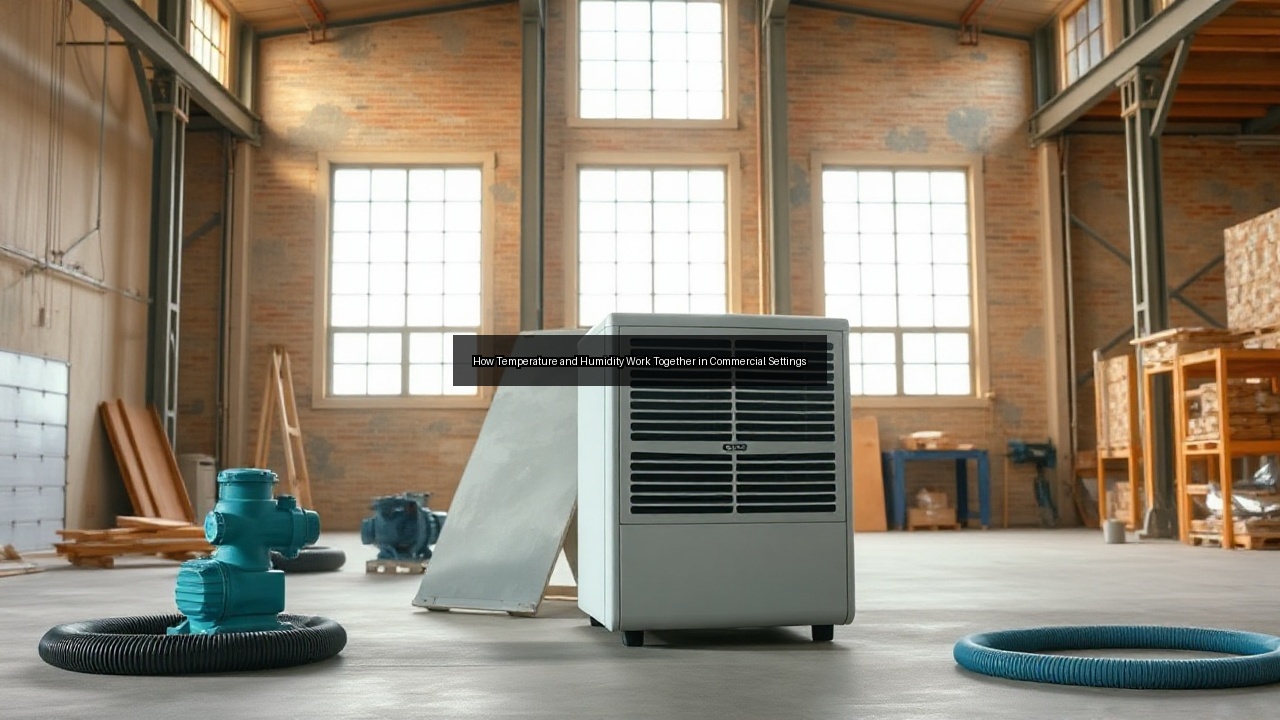
A commercial dehumidifier removes excess moisture from large indoor environments where standard units fall short. These machines handle high humidity levels in warehouses, construction sites, and spas by pulling in humid air, cooling it over coils, and expelling drier air back into the space. Operators select models based on capacity measured in pints per day, ensuring the unit matches the square footage and moisture load. Unlike residential options, commercial dehumidifier units feature robust components that run continuously without frequent breakdowns. They integrate with HVAC systems to maintain balanced temperature and humidity control across entire buildings. Businesses rely on these dehumidifiers to protect inventory, equipment, and structural materials from damage caused by persistent dampness.
How Commercial Dehumidifiers Work
Commercial dehumidifiers operate through a refrigeration cycle that extracts water vapor from the air. Warm, moist air enters the unit and passes over cold evaporator coils, where the moisture condenses into liquid that drains through a hose or pump. The now dehumidified air then moves across condenser coils that reheat it before release. This process lowers relative humidity while slightly raising temperature in the space. Desiccant models use moisture-absorbing materials instead of coils for extreme conditions. Air flow rates measured in CFM determine how quickly the machine processes the room's volume. Proper sizing prevents overworking the compressor and ensures consistent drying performance throughout the day.
Importance of Humidity Control in Various Spaces
Humidity control prevents mold growth, corrosion, and material degradation in commercial settings. Warehouses storing paper goods or electronics require stable conditions to avoid product loss. Spas and gyms need commercial dehumidifier units to keep surfaces dry and comfortable for occupants. Construction projects use these machines during drying phases to speed up concrete curing and paint application. Facilities with HVAC systems benefit from reduced load on heating and cooling equipment when humidity stays in check. Uncontrolled moisture leads to musty odors and health complaints among workers. Effective dehumidification supports compliance with indoor air quality standards and extends the lifespan of building components.
Key Features to Consider
Capacity and Pints: Choosing the Right Size
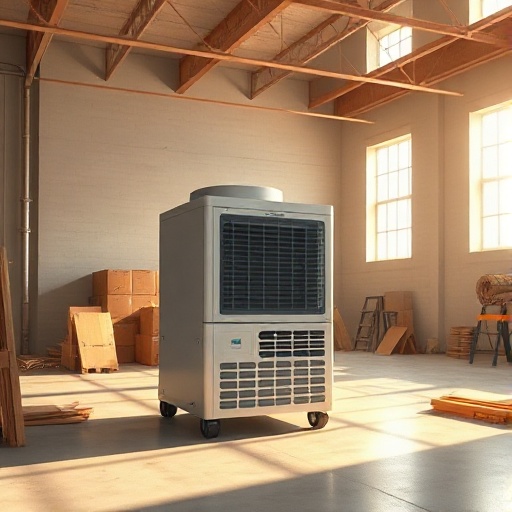
Capacity ratings in pints per day guide selection of the correct commercial dehumidifier for any given space. A 70-pint unit suits smaller offices, while 200-pint or larger models tackle warehouses and flooded basements. Oversized equipment wastes energy, and undersized units fail to reach target humidity levels. Calculate needs by measuring square footage, ceiling height, and sources of moisture such as leaks or high occupancy. Manufacturers provide sizing charts that factor in temperature and initial humidity readings. Matching pints to the environment ensures efficient operation and prevents short cycling that shortens equipment life.
Energy Efficiency: Understanding Energy Star Ratings
Energy Star rated commercial dehumidifiers deliver strong performance while consuming less electricity than standard models. These units meet strict efficiency benchmarks set by the Environmental Protection Agency, lowering operating costs in facilities that run equipment around the clock. Look for models with low wattage draw relative to their pint removal rate. Efficient dehumidification reduces strain on HVAC systems and cuts monthly utility bills. Operators in large spaces appreciate features like variable speed compressors that adjust output to current conditions. Choosing energy-efficient options supports sustainability goals without sacrificing moisture removal power.
Air Flow and CFM: Maximizing Effectiveness
Air flow measured in cubic feet per minute determines how rapidly a commercial dehumidifier processes the air in a space. Higher CFM ratings move larger volumes through the coils, accelerating drying in warehouses or construction zones. Position units to create circular air patterns that reach corners and prevent stagnant pockets of humid air. Adjustable louvers direct output where moisture concentrates most. Pairing strong CFM with proper ducting enhances coverage in multi-room setups. Consistent air flow ensures the dehumidifier maintains target humidity levels even during peak moisture events like heavy rain or steam from spa facilities.
Types of Commercial Dehumidifiers
Refrigerant vs. Desiccant Dehumidifiers
Refrigerant-based commercial dehumidifiers excel in moderate temperatures and deliver high pint removal rates at lower energy use. Desiccant models perform better in cooler environments or when extremely low humidity targets are required. Refrigerant units rely on coils and a compressor, while desiccant versions use a rotating wheel that absorbs moisture through chemical attraction. Facilities choose refrigerant types for general warehouse applications and desiccant units for cold storage or flood restoration. Both styles integrate pumps and hoses for continuous drainage. Understanding the operating temperature range helps operators select the right technology for reliable dehumidification year-round.
Portable vs. Fixed Units
Portable commercial dehumidifier units offer flexibility for temporary drying projects on construction sites or after flooding events. These machines roll on casters and connect easily to hoses for drainage. Fixed units mount permanently and tie into existing HVAC systems for ongoing humidity control in spas or warehouses. Portable models provide quick deployment when moisture spikes occur, while fixed installations deliver consistent performance without daily setup. Many facilities maintain both types to handle routine needs and emergency situations. Selection depends on whether the space requires mobility or permanent integration.
Dehumidifiers for Specific Environments: Warehouses, Spas, and More
Warehouses demand high-capacity commercial dehumidifiers that handle large air volumes and protect stored goods from moisture damage. Spas require units that manage steam and high occupancy while keeping surfaces dry. Manufacturing plants often need models resistant to dust and capable of continuous operation. Flood restoration companies deploy portable units with strong pumps during extreme conditions. Each environment presents unique challenges such as temperature swings or chemical exposure. Matching the commercial dehumidifier to the specific moisture sources and air flow requirements produces the best long-term results.
Installation and Maintenance
Proper Placement for Optimal Air Flow
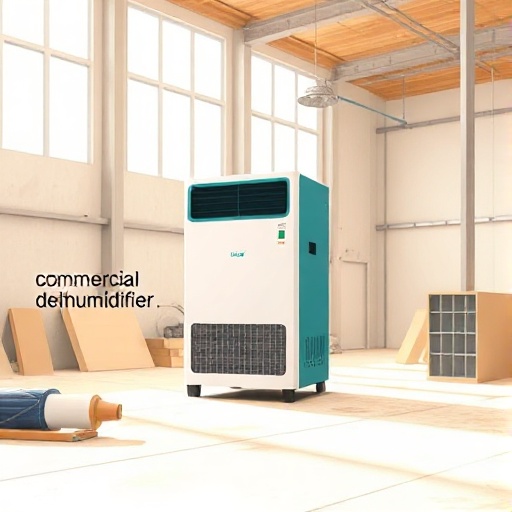
Place the commercial dehumidifier in a central location with clear space around intake and exhaust vents to maximize air flow. Avoid corners or obstructions that restrict circulation and reduce efficiency. Elevate units slightly on platforms in areas prone to standing water. Direct exhaust toward the center of the room rather than walls to promote even dehumidification. In large warehouses, multiple units positioned strategically create overlapping coverage zones. Correct placement shortens drying times and prevents localized humidity pockets that encourage mold growth.
Connecting Pumps and Hoses for Efficient Drainage
Many commercial dehumidifier units include built-in pumps that push condensate through hoses to distant drains. Connect the hose securely to avoid leaks and route it downhill to maintain steady flow. Gravity-drain models require placement near floor drains or sinks. Test the pump cycle regularly to confirm it activates before the collection bucket fills. In construction sites or flood zones, extend hoses to exterior outlets when indoor drains are unavailable. Reliable drainage keeps the machine running without constant monitoring and prevents water overflow that could damage floors.
Regular Maintenance Tips for Longevity
Clean or replace air filters every few weeks to maintain strong CFM and prevent dust buildup on coils. Inspect hoses and pumps for clogs or wear that could interrupt drainage. Wipe down the exterior and check electrical connections during scheduled service. Empty collection buckets on non-pump models daily during heavy use. Annual professional inspections verify refrigerant levels and coil condition. Consistent maintenance extends the life of commercial dehumidifiers and keeps energy consumption low while protecting the space from humidity-related issues.
Troubleshooting Common Issues
Dealing with High Humidity and Mold Growth
Persistent high humidity despite running a commercial dehumidifier often signals undersized capacity or blocked air flow. Increase pint rating or add supplemental units in larger spaces. Mold appears when relative humidity stays above 60 percent for extended periods. Improve ventilation and ensure the dehumidifier reaches all corners of the warehouse or spa. Clean affected surfaces with appropriate solutions and monitor readings with a hygrometer. Addressing the root cause through proper sizing and placement stops mold recurrence and restores healthy indoor conditions.
Addressing Noise Levels: Sound Pressure Considerations
Sound pressure level ratings help operators select quieter commercial dehumidifier models for occupied spaces such as offices or spas. Position units away from workstations or install sound-dampening enclosures when noise becomes disruptive. Check for loose panels or fan imbalances that increase operating volume. Variable-speed models often run quieter at lower settings once initial drying completes. Maintaining clean coils and fans reduces vibration that contributes to excess sound. Balancing effective dehumidification with acceptable noise levels improves occupant comfort.
Understanding Performance During Flooding and Extreme Conditions
During flooding, commercial dehumidifiers must handle saturated air and standing water. Select units rated for continuous duty with robust pumps and high CFM. Combine dehumidification with air movers to accelerate evaporation from carpets and walls. Monitor temperature because refrigerant models lose efficiency below 65 degrees. Desiccant units maintain performance in cooler, wetter environments. Regular filter checks prevent clogging from debris stirred up by flood waters. Proper equipment selection and operation restore spaces quickly while minimizing secondary damage from prolonged moisture exposure.
See Also
- How Commercial Dehumidifiers Combat Mold and Moisture in Warehouses
- Exploring the Impact of Sound Pressure Levels in Commercial Dehumidifiers
- Energy Efficiency and Performance of Commercial Dehumidifiers Explained
- Flooding and Beyond The Essential Role of Dehumidifiers in Construction Sites
- Comparing Commercial Dehumidifier Units for Maximum Drying Efficiency