How Temperature and Humidity Work Together in Commercial Settings
Understanding Temperature and Humidity Dynamics in Commercial Spaces
The Science of Humidity and Its Role in Air Quality
Humidity refers to the amount of moisture present in the air, often expressed as a percentage. This measurement plays a crucial role in determining air quality, especially in commercial settings. High humidity levels can lead to discomfort among employees and customers, while low humidity can cause skin irritation and respiratory issues. Maintaining an ideal humidity level between 30% to 50% promotes a comfortable environment and helps to prevent the growth of mold and mildew, which thrive in damp conditions. In warehouses and retail spaces, excessive moisture can damage products, leading to financial losses. Thus, understanding humidity dynamics is essential for effective air quality management and overall comfort in commercial spaces.
How Temperature Influences Humidity Levels
Temperature and humidity share a symbiotic relationship. Warmer air can hold more moisture than cooler air. This principle explains why humidity levels often fluctuate with changing temperatures. For instance, during a hot summer day, the air can hold a significant amount of water vapor, leading to higher humidity levels. Conversely, when temperatures drop, the air's capacity to retain moisture decreases, leading to lower humidity. This relationship becomes especially critical in commercial environments, where temperature regulation impacts not just comfort but also the functionality of equipment. HVAC systems must account for both temperature and humidity to ensure optimal conditions, preventing potential issues like condensation, which can lead to water damage and mold growth.
The Importance of Maintaining Optimal Conditions in Warehouses
Warehouses store a diverse range of products, from electronics to food items, making humidity control vital. Excess moisture can lead to spoilage, mold growth, and damage to inventory, resulting in significant losses. Implementing effective temperature and humidity control strategies ensures the longevity and quality of stored goods. Installing commercial dehumidifiers helps regulate humidity levels, creating a stable environment conducive to preserving products. Additionally, maintaining optimal conditions in warehouses improves overall energy efficiency, as HVAC systems operate more effectively when humidity levels are kept in check. By investing in humidity control solutions, warehouse managers protect their inventory and maximize operational efficiency.
The Role of Commercial Dehumidifiers in Humidity Control
Types of Commercial Dehumidifiers: Choosing the Right Unit
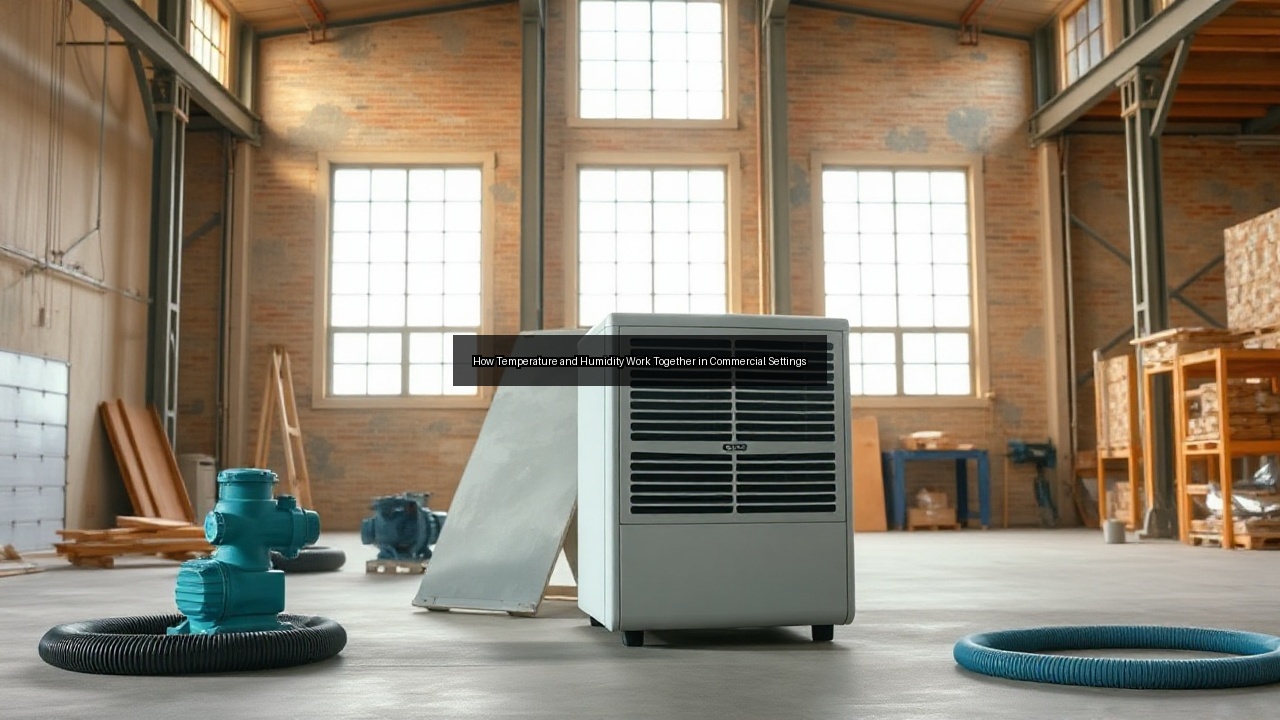
Commercial dehumidifiers come in various sizes and capacities, tailored to meet specific needs. Choosing the right unit depends on factors such as the size of the space, the level of moisture present, and the intended application. Portable units work well for smaller areas, while larger, more powerful units are suitable for expansive warehouses or industrial settings. Some models feature built-in pumps and hoses for continuous drainage, making them ideal for areas prone to flooding or excessive moisture. For specialized environments, such as spas and pools, units designed to handle high humidity levels are essential. Understanding the unique requirements of your commercial space ensures effective humidity control and optimal performance.
How Dehumidification Works: The Process Explained
Dehumidification involves removing moisture from the air to achieve a desired humidity level. Most modern commercial dehumidifiers operate using either refrigerant or desiccant methods. Refrigerant dehumidifiers cool the air, causing moisture to condense into water droplets, which are then collected in a tank or drained via a pump. In contrast, desiccant dehumidifiers use materials that absorb moisture, releasing dry air back into the environment. Regardless of the method, the result is the same: reduced humidity levels that enhance comfort and protect valuable assets. Understanding how dehumidification works helps businesses select the best equipment and optimize its performance for maximum efficiency.
Key Features of Effective Commercial Dehumidifiers
When choosing a commercial dehumidifier, certain features can significantly affect performance and efficiency. Look for units with adjustable humidity settings, allowing for tailored moisture control based on specific conditions. Energy Star-rated models offer energy-efficient operation, reducing energy costs while maintaining optimal humidity levels. Additionally, features like built-in pumps enhance convenience, enabling continuous drainage without frequent manual intervention. Units equipped with digital displays provide easy monitoring of humidity levels, ensuring proactive management. Sound pressure levels also matter; quieter units are essential in environments where noise can dehumidifiers for commercial disrupt operations. By prioritizing these key features, businesses can invest in dehumidifiers that provide effective humidity control and long-term reliability.
Applications of Dehumidifiers in Various Commercial Settings
Dehumidifiers in Construction: Preventing Moisture Damage
Construction sites face unique humidity challenges. Excess moisture can lead to material damage, mold growth, and compromised structural integrity. Dehumidifiers play a crucial role in mitigating these risks during various stages of a construction project. By maintaining optimal humidity levels, contractors can ensure that materials like wood and drywall remain dry and structurally sound. Utilizing commercial dehumidifiers prevents delays caused by moisture-related issues, allowing projects to stay on schedule. In addition to safeguarding materials, dehumidifiers contribute to a safer working environment by reducing the risk of mold, which can pose health hazards to workers. Investing in dehumidification solutions during construction is essential for maintaining project integrity and worker safety.
The Use of Dehumidifiers in Spas and Pools
Spas and indoor pools generate significant humidity due to evaporation and steam. High humidity levels can lead to discomfort for patrons and create an environment conducive to mold and mildew growth. Commercial dehumidifiers help control moisture, ensuring a pleasant experience for guests while protecting the facility’s infrastructure. Effective humidity control in these environments also enhances the efficiency of HVAC systems by reducing the workload associated with cooling and air circulation. Choosing dehumidifiers specifically designed for high-humidity applications ensures optimal performance and longevity. Maintaining a comfortable and healthy atmosphere in spas and pools is essential for customer satisfaction and operational success.
Ensuring Proper Airflow and Temperature in HVAC Systems
Commercial HVAC systems must effectively manage both temperature and humidity to ensure optimal indoor air quality. Dehumidifiers integrate seamlessly with HVAC systems, enhancing their ability to regulate humidity levels. By controlling moisture, dehumidifiers contribute to more efficient temperature regulation, as humid air can feel warmer than dry air. This interplay between temperature and humidity impacts energy consumption; well-managed systems operate more efficiently, leading to lower utility bills. In large commercial spaces, maintaining proper airflow and temperature is crucial for occupant comfort and productivity. Implementing dehumidifiers within HVAC systems is a strategic approach to achieving these goals and enhancing overall system performance.
Energy Efficiency and Performance Metrics of Dehumidifiers
Understanding CFM and Its Importance in Dehumidification
Cubic Feet per Minute (CFM) measures the airflow rate in dehumidifiers, playing a vital role in determining a unit's effectiveness. A higher CFM rating indicates that a dehumidifier can process more air, which translates to more efficient moisture removal. Selecting a unit with an appropriate CFM rating for the size of the space is crucial; insufficient airflow can lead to inadequate humidity control. For commercial settings, understanding the relationship between CFM and space size ensures that businesses can maintain optimal humidity levels, ultimately protecting their assets and enhancing comfort. Balancing CFM with energy efficiency is essential for cost-effective operation, as higher airflow often dehumidifiers for commercial requires increased energy consumption.
Energy Star Ratings: What to Look for in Commercial Units
Energy Star ratings provide a benchmark for energy efficiency in commercial dehumidifiers. Units that meet these standards demonstrate superior performance while consuming less energy, resulting in lower operating costs. When evaluating commercial dehumidifiers, look for models that carry the Energy Star label, indicating compliance with strict energy efficiency guidelines. These units often incorporate advanced technologies that optimize energy use without compromising performance. Investing in Energy Star-rated dehumidifiers not only benefits the environment but also enhances the bottom line by reducing energy expenditures. Businesses can enjoy effective humidity control while contributing to sustainability through energy-efficient equipment.
Managing Sound Pressure Levels in Commercial Dehumidifiers
Sound pressure levels in commercial dehumidifiers can impact workplace comfort, especially in quiet environments like offices or medical facilities. Choosing units with lower sound pressure levels can enhance the overall atmosphere, promoting productivity and well-being. Many modern dehumidifiers are designed with noise reduction features, allowing for quieter operation without sacrificing performance. When selecting a commercial dehumidifier, consider the noise level specifications to ensure compatibility with the intended space. Balancing effective moisture control with acceptable noise levels is crucial for maintaining a conducive working environment. By prioritizing sound management in dehumidifier selection, businesses can create spaces that foster comfort and productivity.
See Also
- The Role of Commercial Dehumidifiers in Construction Projects
- Combatting Flood Damage with the Right Commercial Dehumidifier
- How a Commercial Dehumidifier Can Save You Money on Energy Bills
- The Essential Guide to Choosing the Best Commercial Dehumidifier
- The Role of Energy Star Rated Dehumidifiers in Reducing Operational Costs for Businesses