How PEEK Machined Parts Revolutionize High-Performance Applications
Understanding PEEK: The Material Behind High-Performance Machined Parts
What is Polyether Ether Ketone (PEEK)?
Polyether ether ketone, commonly known as PEEK, stands as one of the most advanced engineering plastics in the market today. This high-performance thermoplastic exhibits exceptional mechanical and thermal properties, making it invaluable for various demanding applications. PEEK boasts a unique chemical structure that provides remarkable strength, stiffness, and dimensional stability, even at elevated temperatures. Its ability to withstand harsh environments and resist chemicals enhances its appeal across multiple industries, including aerospace, automotive, and medical sectors. PEEK machined parts offer a combination of lightweight characteristics and robust performance, paving the way for innovative solutions in high-performance settings.
Properties of PEEK That Enhance Performance
PEEK's impressive properties contribute significantly to its performance as a machining material. First, its high glass transition temperature, reaching up to 143°C (approximately 289°F), allows PEEK to maintain structural integrity in extreme heat. Additionally, PEEK exhibits outstanding chemical resistance, with the ability to withstand strong acids, bases, and organic solvents without degrading. Its low friction coefficient and excellent wear resistance make PEEK an ideal choice for applications such as bearings, valves, and seals. Furthermore, PEEK’s inherent biocompatibility renders it suitable for medical devices and implants. These properties collectively elevate the functionality and reliability of PEEK machined parts in diverse applications.
Applications of PEEK in Various Industries
PEEK finds its place in a wide array of industries due to its versatile properties. In the aerospace sector, engineers utilize PEEK for components that require high strength-to-weight ratios and thermal stability. Parts such as brackets, clips, and electrical connectors benefit from PEEK's lightweight nature. The automotive industry also leverages PEEK in fuel and lubrication systems, where temperature and chemical resistance are paramount. In the medical field, PEEK machined parts are ideal for surgical instruments, implants, and drug delivery systems, owing to their biocompatibility and durability. Overall, PEEK's adaptability makes it a preferred choice for high-performance applications across multiple sectors.
The Machining Process for PEEK Parts
CNC Machining: Precision Engineering for PEEK
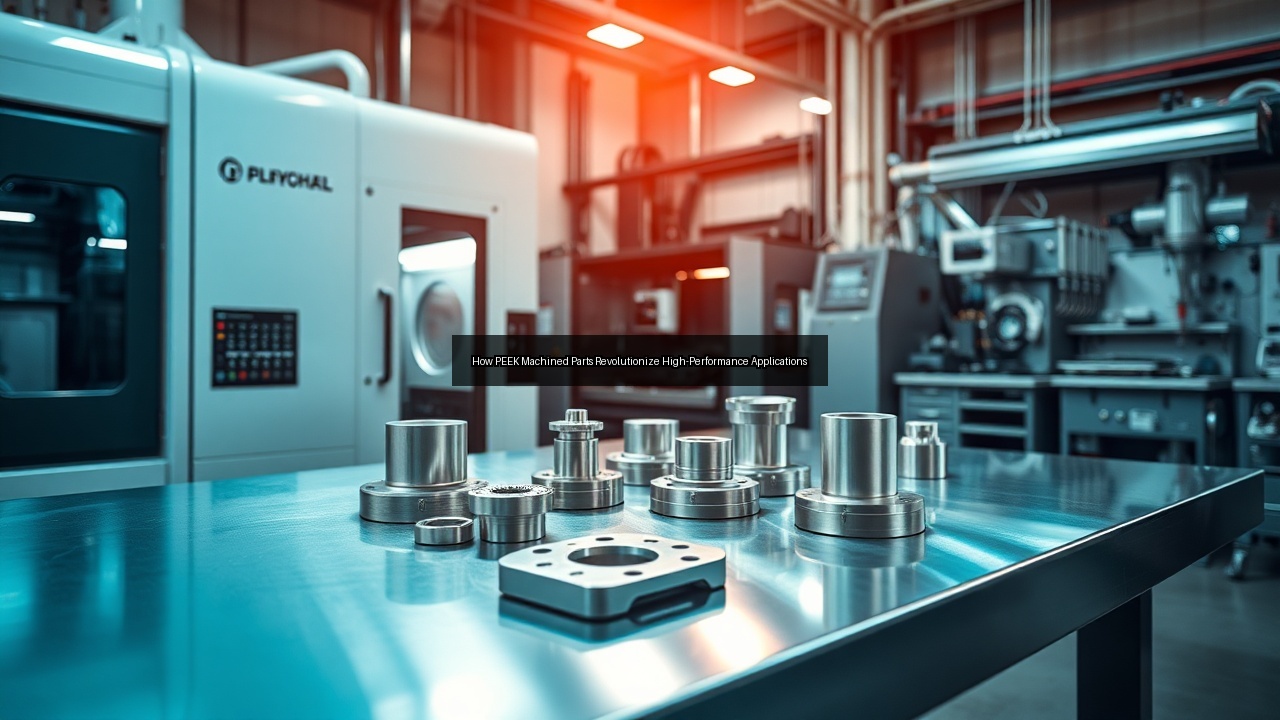
CNC machining stands at the forefront of manufacturing PEEK machined parts with precision machined PEEK parts and consistency. The process involves computer-controlled machines that execute complex designs, ensuring high levels of accuracy in every component. CNC machining eliminates human error and allows for the replication of intricate geometries, which is particularly beneficial for manufacturing parts that demand tight tolerances. The compatibility of PEEK with CNC technology enhances the efficiency of production, enabling manufacturers to produce components quickly and economically. This precision engineering not only improves the performance of the final product but also facilitates scalability in production runs, making CNC machining a cornerstone in PEEK manufacturing.
Techniques for Machining PEEK: CNC Milling vs. Injection Molding
When it comes to machining PEEK, two primary techniques dominate: CNC milling and injection molding. CNC milling involves removing material from a solid block of PEEK to create the desired shape, allowing for intricate designs and high precision. This approach suits low to medium production volumes while providing flexibility for custom designs. On the other hand, injection molding offers a different set of advantages. It involves heating PEEK until it becomes malleable and then injecting it into a mold, producing complex shapes efficiently. This technique excels in high-volume production, reducing per-part costs significantly. Choosing between these methods depends on factors like production volume, part complexity, and cost considerations.
Surface Finish Considerations in PEEK Machining
Surface finish plays a critical role in the functionality and aesthetic appeal of PEEK machined parts. The machining process can affect the surface characteristics, which in turn influence properties such as friction, wear, and adhesion. Achieving optimal surface finish requires careful consideration of machining parameters and tooling. Techniques such as polishing or applying surface treatments can enhance the finish, machined PEEK part reducing roughness and improving performance. A smooth surface finish not only increases the lifespan of components but also enhances their appearance and reduces the risk of failure in high-stress applications. Engineers must prioritize surface finish during the design phase to ensure the longevity and effectiveness of PEEK parts.
Advantages of Using PEEK Machined Parts
Cost-Effectiveness of PEEK Machined Components
Cost-effectiveness stands out as a significant advantage of using PEEK machined parts in various applications. Despite PEEK's higher initial material costs compared to other plastics, its durability and resistance to wear can lead to significant savings over time. PEEK components often require less frequent replacement, reducing maintenance and downtime expenses. Additionally, the efficiency of CNC machining allows for optimized production processes, minimizing waste and maximizing yield. As businesses focus on long-term operational costs, PEEK machined parts prove to be a wise investment, delivering reliable performance at a lower total cost of ownership.
Tolerance and Precision in PEEK Machining
PEEK machined parts achieve remarkable tolerance and precision, essential for high-performance applications. CNC machining technology allows manufacturers to produce components with tolerances as tight as ±0.005 inches, enabling the creation of intricate designs that fit seamlessly into complex systems. This level of precision is crucial in sectors like aerospace and medical, where even the slightest deviation can result in catastrophic failures or health risks. The ability to maintain stringent tolerances throughout the manufacturing process assures engineers and designers of the reliability and functionality of PEEK components in their applications.
Durability and Resistance Features of PEEK Parts
Durability defines the essence of PEEK machined parts. Their exceptional resistance to machined PEEK part chemicals, heat, and wear ensures long-lasting performance in challenging environments. PEEK withstands high temperatures without compromising its mechanical properties, making it suitable for applications that involve extreme conditions. Its resistance to abrasion and low friction properties enhance longevity, particularly in moving parts like bearings and seals. As industries demand materials that can endure harsh conditions without degradation, PEEK emerges as a frontrunner, providing durability that translates into reliability and reduced operational costs.
Challenges and Considerations in PEEK Machining
Tool Wear and Its Impact on Machining PEEK
Tool wear presents a significant challenge when machining PEEK. The hardness of PEEK can lead to accelerated wear on cutting tools, affecting the precision and quality of machined parts. As tools degrade, manufacturers may face increased production costs and potential delays in delivery timelines. To mitigate these challenges, regular monitoring of tool condition and implementing a scheduled maintenance program can help maintain optimal machining efficiency. Additionally, using high-quality cutting tools designed specifically for machining PEEK can prolong tool life, ensuring consistent results and minimizing downtime.
Choosing the Right Tools and Fixtures for PEEK
Selecting the appropriate tools and fixtures for machining PEEK is crucial for achieving optimal results. The right combination of cutting tools, such as carbide or ceramic inserts, can significantly influence the machinability of PEEK. Fixtures must securely hold the material during machining to prevent movement that could compromise precision. Engineers must consider factors such as tool geometry, coating, and material compatibility when selecting tools for PEEK machining. Investing in the right equipment not only enhances the quality of the machined parts but also contributes to a smoother machining process, reducing errors and increasing efficiency.
Mitigating Costs in PEEK Machining Processes
Managing costs in PEEK machining processes requires careful planning and execution. While the material itself can be expensive, optimizing the machining process can lead to significant savings. Strategies include employing advanced CNC technology for increased efficiency, reducing cycle times, and minimizing material waste. Additionally, thorough upfront design work can identify potential issues before production begins, preventing costly rework. By focusing on efficiency and precision from the outset, manufacturers can create a financially viable approach to PEEK machining that balances quality and cost-effectiveness.